The Art and Science behind
The Power of Love
A Novel, Scientific Theory and Mobile App for “developing more positive ‘inner’ relationships with Self and Others.”
Stefan is “The Father of Love” a quote by Ivel De Freitas, MD
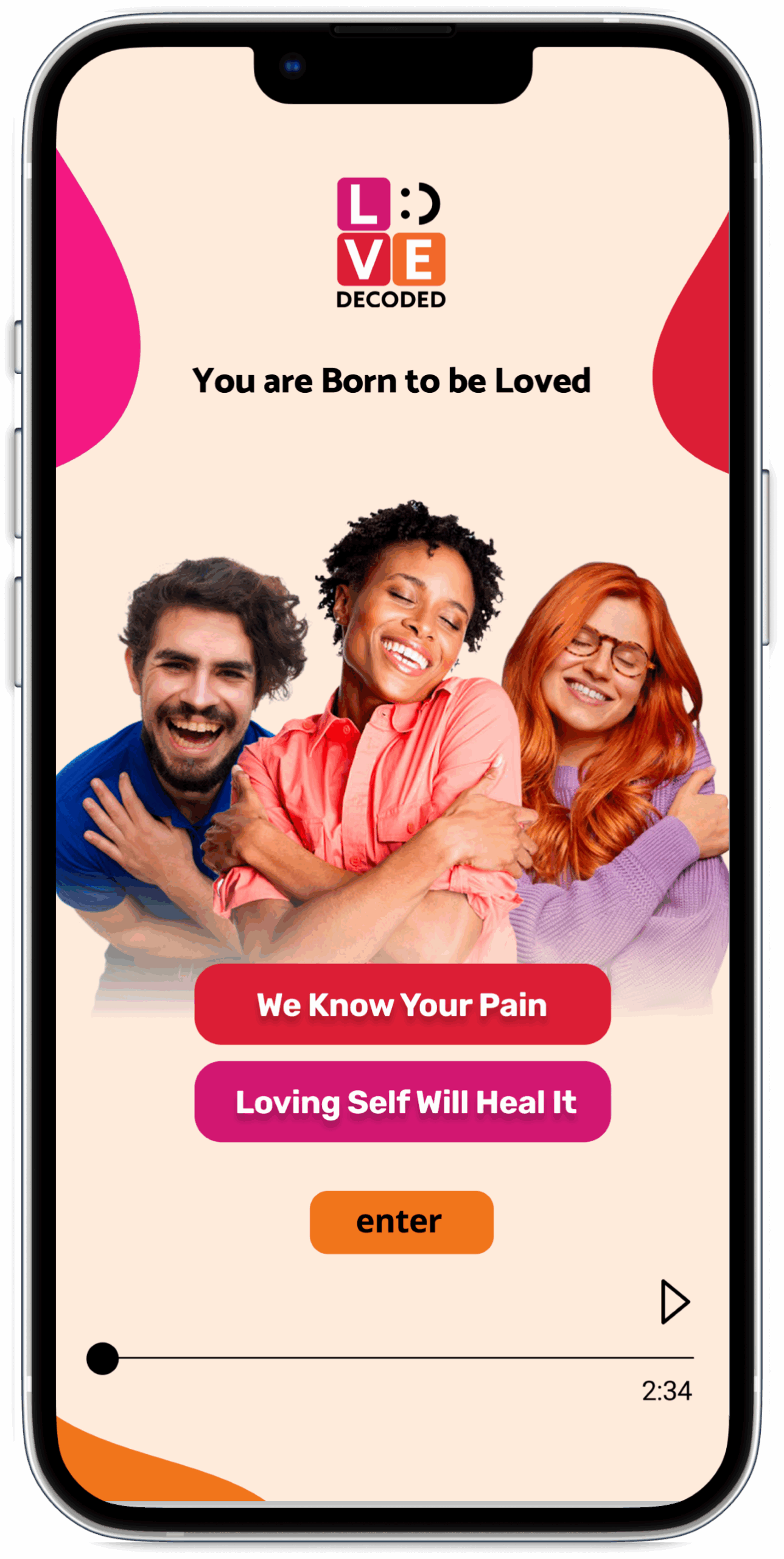
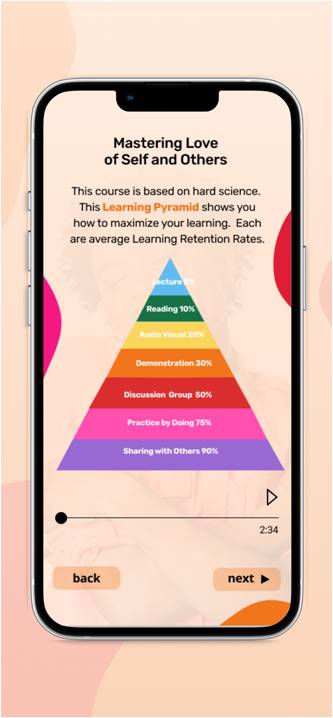
The Love Decoded APP course
21 Steps in 21 Weeks for Navigating Life Unconditionally
Steps 1-7–
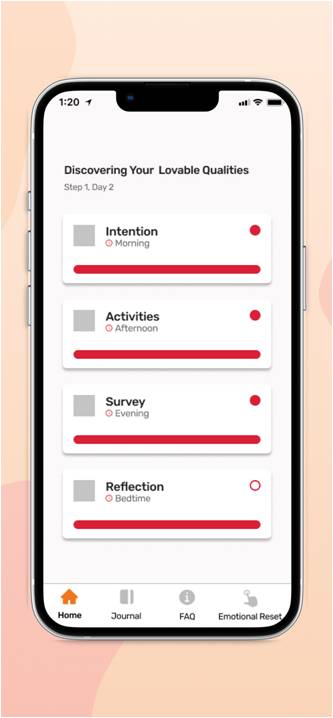
Step 1 – Discovering Your Lovable Qualities – Opens the door and gives you permission to acknowledge your valuable qualities, explore what others like about you, and the value you bring to yourself, your family and friends, and the world.
Step 2 – Tuning In To Your Self-Talk – Makes you become aware of the positive and negative nature of your inner dialogue. Teaches you how to interrupt and transform your negative self-talk. Intrinsic to getting off the merry-go-round of life – and determining a happy ending to your life.
Step 3 – Discovering and Transforming Your Unlovable Qualities – Gaining clarity regarding which of your behaviors toward yourself and others are counterproductive and gaining the courage to invite your family and friends to support you in transforming them.
Step 4 – Discovering How To Construct Vision – A lack of vision or negative visions often guide our behaviors and choices. By becoming aware of this tendency, you can learn to construct positive, loving visions that guide your choices, words, and behaviors moment to moment and day by day.
Step 5 – Open-Heart Communications – Poor communication is the #1 complaint in relationships. Learn the keys to effective communications, the life-blood of all relationships, including the one with yourself. Your goal is to inspire yourself or another and produce results. Learn to incorporate it into your self-talk.
Step 6 – Crafting Loving Communications People Will Listen To – Only opening another’s heart can produce understanding and healing. Only using our proven formula for effective communication – awareness, vision, unconditional behavior, and non-blame – the Four Pillars of Human Development – in a sequential and integrated manner – can bring people who are upset closer together, instead of driving them further apart.
Step 7 – Listening – Not being heard is the most painful experience a human being can have – and it starts in childhood. If you want people you love to feel your love, you need to learn what it means to listen proactively, mirror them, and invite a possibly endless stream of their complaints, until their emotional wound, in their eyes caused by you, is cleansed. They will love you for it.
Steps 8-14
Step 8 –“…Because I Love Myself” – The most powerful phrase when it comes to nourishing yourself and transforming your unloving thoughts and behaviors toward yourself. It also has the power of transforming your attitude toward daily activities, including your work, which you might not like, into a more positive experience, thereby allowing you to do your best.
Step 9 – Are you aware of the ways you mistreat yourself? It is toxic for your physical, mental, and emotional health. Learn how to notice it and stop it.
Step 10 – Most people aren’t aware how they mistreat others. When you aren’t aware, you not only hurt or upset another, but you wind up not apologizing, thinking you did nothing. Learn how to notice the slightest signals from people you care about, and apologize for it, even when you don’t know what you’ve done that upset them.
Step 11 – Others Mistreating Us. One thing we are hyperaware of is when others hurt, upset, or mistreat us. What we don’t know is how to make them aware, without getting into an argument or distancing ourselves. Use the communication skills you learned in Steps 5-6-7 to transform your upsets into opportunities to enrich your relationships.
Step 12 – Are you a “collector” of resentments? Resentments start when you fail to clear up an issue or are upset with those you care about or have to interact with. Being afraid to communicate or not feeling heard leads to resentments. Learning the skill to ‘frame’ effective communications gives you the courage to face problems and people. This, along with stating clear consequences, will produce the results you want.
Step 13 –Forgiveness toward yourself. Often, one is not even aware of being resentful or angry with oneself. That awareness requires undertaking a close review of one’s failures/mistakes in life and how they were filed away. Forgiving ourselves involves us understanding and accepting that we did our best, even if now it seems a ridiculous or stupid or obvious mistake. It happened – what did you learn from it so you will never make that wrong choice again? Not forgiving is toxic for our wellbeing and prevents us from learning from our mistakes.
Step 14 – Forgiving others. This requires us to use the same approach as forgiving ourselves. They did something that felt like they didn’t care about our wellbeing, but it is who they were (or are). Thoughtless is different from ‘on purpose’. As we did our best when making poor choices, so did others.
Steps 15-21
Step 15 – Asking others for their forgiveness. It requires that you admit to yourself that you did something thoughtless or selfish that hurt another, even if you didn’t intend to hurt them. This is one of the more difficult and uncomfortable things to do in life. People rarely do it. Strangely, people are usually more than happy to forgive something you did when you ask for forgiveness. It shows them that you care about their feelings, and that feels very loving.
Step 16 – Asking for Unconditional Love From Self and Others – How would you feel if someone you were close to came up to you and said, “We have a good relationship, now I would like to invite you to have an unconditional relationship with me”? Would you feel offended? Most people take that invitation as a wonderful compliment. So why don’t people go around asking for something each and every one of us would love to have: unconditionally loving relationships? Yes, it takes work, but isn’t it a great direction, a great goal to move toward, with someone you feel close to?
Step 17 – Unconditional Love Team – Forming Your Own Loving Community – We have been encouraging you from the beginning to develop your own unconditional community. You have probably invited some people already, but stopped at ‘difficult people’. People who are not easy to be with or talk to. Well guess what, if they are part of your life, they affect the quality of your life. And they probably could use a good dose of love, from themselves and others. Have you shared the list of your loveable qualities? Or the communication tools? Let them be part of your journey, and when you begin to see some growth – invite them to have an unconditional relationship with you.
Step 18 – Affection with Others – Touch – Giving and Receiving – In Europe and South America, men kiss each other hello and goodbye, hug each other, and even walk arm in arm. That is a true sign of feeling comfortable being a man. Being affectionate with another man. Women are way ahead when it comes to being affectionate, but that is because both Mom and Dad kissed them all through their lives, but not their son. Dad stopped when he was 5 years old, perhaps even sooner. Sad, and necessary for us to become aware of and overcome. In our society physical affection between spouses and with children is in short supply. Try massaging the shoulders of people you care about. Most are stressed out and will really appreciate it.
Step 19 – Self-Affection and Self-Healing – Self-Massage – Tiffany Field proved, working with premature infants, just how nourishing touch is. Now she is working with adults and self-massage. Moderate pressure can lower production of the stress hormone cortisol, reduce heart rate and blood pressure, and decrease anxiety, as well as reducing pain and stiffness, as well as increasing range of motion for OA, RA and fibromyalgia. Show your love to yourself by massaging your shoulders, your temples, your hands, your feet, and anything that’s sore. Just as good for prevention, so make a daily habit of it while watching TV or before going to sleep. Soon you will be massaging others, and they might just return the favor.
Step 20 – How to Love Through Anger and Pain – Our inability to be angry and loving at the same time injures us and damages our relationships. This step combines all the elements you learned into one enormously powerful behavior. Most people presently do not possess it, and don’t even believe it is possible. But it is. We can be angry, disappointed, hurt by someone’s behavior – by something they said or did – and be clear that it was done by a person we care about, who probably cares about us. We have to stay cognizant of that fact. That they care AND what they did hurt us and is not acceptable. By having learned self-love, and no longer being solely dependent on others for love, we can have the self-control necessary to think what is best for us and the relationship, rather than simply react out of pain.
Step 21 – Random Acts of Kindness – Passing Love Forward – We have all heard about random acts of kindness, but not about the beneficial effects it has on our own nervous system and our own level of stress. For no reason; 1. hold a door or elevator; 2. say “Good morning” or “How are you?” to strangers and co-workers; 3. give a dollar to someone who is asking for it; 4. pick up a cup or paper lying on the floor and dispose of it; 5. give a compliment; 6. let someone ahead of you on a line: there are hundreds of things you can do. The more unexpected, the more others will appreciate it. Making another person’s day has serious benefits on your own outlook on life, and even more importantly, how much you like yourself. It really nourishes you!
Support "You Are Born To Be Loved" - a Pioneering Mental Health App
LOVE, the Key ’remedy’ for real Mental, Emotional, and Physical Health
Stefan Deutsch, President of Global Human Development, Inc. discovered that love is essential nourishment and has since been devoted to disseminating this new scientific theory and fact about love. The vision is to bring it to our global community. Because every human being deserves love: as much of it as they need and want, unconditionally! You certainly do…without having to EARN it.