The Art and Science behind
The Power of Love
A Novel, Scientific Theory and Mobile App for “developing more positive ‘inner’ relationships with Self and Others.”
Stefan is “The Father of Love” a quote by Ivel De Freitas, MD
Psychotherapist – Counselors – Psychiatrists – Social Workers
We Do Not Accept People Being Hungry or Starving
What About For Love?
Not only would most therapists find it totally unacceptable to have a patient be hungry or starving, they would immediately take steps to help that patient get the proper nourishment they need. That would be the focus, knowing that counseling would not be effective until that basic need was satisfied. (Maslow)
This was the warning Dr. Mitch Prinstein, Chief Science Officer of the APA, sent to 157,000 members of the American Psychological Association; “If we want to build a mental health system that can address the nation’s mental health crisis, we can’t afford to do more of the same.”
How have you and the psychological community responded to his call?
Erich Fromm, in his The Art of Loving, wrote “…human beings are starved for Love. Even though most therapists would agree with this observation, no one has explained how, why, or the solution to have clients, and people in general, be able to acquire more love in their lives. Self-esteem, self-compassion, self-respect, are all going in the right direction but are only a small part of a larger picture. Love it turns out, is an essential nourishment like air, food, and water, which is why conditional love hurts so much, and why people are desperate to find others who will supply this nourishment to them. Of course, it has nothing to do with romance – there is not such a thing as romantic love, there is only attraction
Erich Fromm wrote – “...human beings are starved for love.”
Looking Into Your And Your Clients’ Life Experiences – You Know What He Said Is True.
The Implications of Unconditional Love for Your Practice

The GHD, Inc. Trainings
Infants come closest to being loved unconditionally. Is it possible adults don’t need it?
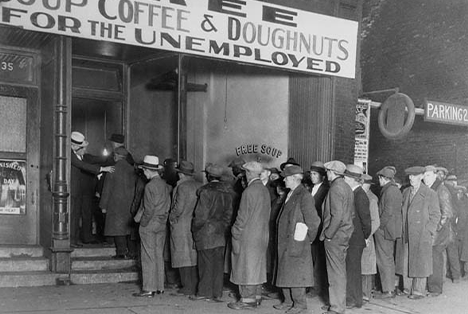
Can You Imagine A Malnourished Person Running A Marathon?
What If That Person Was You?
Why Only Unconditional Behavior Works?
Infants come closest to being loved unconditionally. Is it possible adults do not need it?
Everyone Thinks They Know What Love Is. Do They?
The Re-Education of Mental Health professionals is Necessary In Order to Re-Educate the Public.
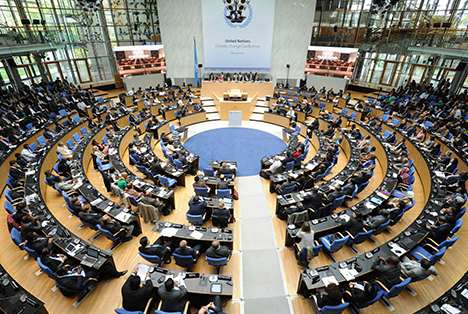
1st INTERNATIONAL SYMPOSIUM TOWARD A UNIFIED SCIENCE OF LOVE.
The Time for a New Science of Love is Now!
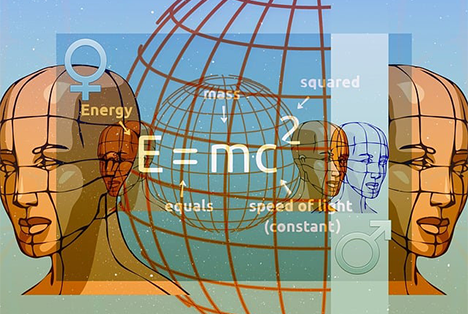
Comparing Theories of Love
Can We – Should We Arrive At a Unified Theory of Love?
Whether meant literally or figuratively, Fromm is right. When lacking love the overwhelming sense of deprivation and our desperate search for it can only be explained by positing that love is life-sustaining nourishment like air, food and water. Without this nourishment we can but physically exist. Instead of flourishing a sad, joyless existence is all that can be expected.
How can we tell that ‘love’ exists as a thing? Until the development of certain technologies we could not see the atom, electricity, bacteria, lightwaves or soundwaves. We could not see distant galaxies. We ask ourselves, did that mean they did not exist? No of course not, we simply could not see them.
Like air, food and water, love is an actual, physical, tangible energy which explains why we have an actual, physical, tangible reaction called PAIN, when we are deprived of Love. Love must be someTHING, because it would be impossible for us to react to – noTHING. Our reaction is visceral not a brain event or simply imagined. From The Law of Cause and Effect in physics, we know that we would not have the effect of feeling pain and deprivation, if it did not have a cause. The cause is being deprived of nourishing love.
Conversely, love produces a sense of warmth and being energized when we receive it and we thrive. This body experience is also visceral and not an imagined brain event. Our own experience sufficiently confirms that ‘Love is real and nourishing’, the Penicillin and Panacea of the self.
This brings us to the critical debate: is loving unconditionally possible? Since love is life-sustaining nourishment, by definition it must be available unconditionally. Could we live fully if air, food and water were ONLY conditionally and painfully available? So, too, with love. Conditional love is unacceptable. It is time to stop being imprisoned in our self-created, conditional world.
The consequences of being loved conditionally are many and affect all aspects of life. Feeling powerless to satiate this real ‘hunger’ causes anxiety, depression, stress, and lethargy that turns into high blood pressure along with other physical and mental illnesses these emotional states elicit.
To empower humanity to nourish itself, Loving Unconditionally can and must be taught locally and globally.
For 35 years, Stefan Deutsch has successfully taught people that love is an essential life-sustaining nourishment like air, food, and water and that they deserve it under all conditions. As they learn to love self and others, and come to understand and accept that the goal of every individual is unconditionality, their lives and relationships are transformed. Transformation was even experienced by many of the hundreds of therapists attending his national and international conference workshops, just in the span of a couple of hours.
Research has made it abundantly clear that while most psychotherapeutic modalities have similar, moderate success rates, it is the ‘client-therapist’ relationship that makes a real difference. How cared about a patient feels determines the success of the intervention. In other words the more ‘LOVED’ they feel, the more healing that occurs. Therefore you must start every intervention with a conversation about how clients deserve Love Unconditionally – from themselves and others.
What does this mean to the success of your practice? If you do not start every intervention with the conversation about Unconditional Love, then it will have limited effectiveness and diminished satisfaction for you.
What does this mean to you, personally? Jean Watson’s Transpersonal Caring studies have shown that the more a practitioner, like a nurse, truly cares about (read that as ‘loves’) their patient, not only does the patient do better, but so does the practitioner. (link to study) Giving love (read that as loving energy), not only nourishes the sick and helps their healing process, but is a fundamental need, that when met, creates a state of health and homeostasis for the giver.
Where we collectively go from here Is Up To You!
CLICK HERE to register for one of our GHD, Inc. Training programs now.
GHD, Inc.’s unique trainings develop the skill of unconditional behavior towards self and others and it is the missing piece in therapeutic modalities. We have found that this missing piece positively impacts the outcome of both individual and couples therapy.
Using our tools, therapists even learn how to support the spouse who comes alone and wants to heal their marriage. The client learns to love themself and is encouraged and empowered to work towards healing the marriage instead of empowered to end it.
In cases where the marriage dissolves, the individual is now equipped to create healthy relationships with everyone in their life. As we well know, second marriage divorce rate is at 80%. Relationships with children and family members also suffer.
Although our present training is couples focused, it is like getting two for the price of one because it also works for individuals! When you have these tools, you can;
1) Help couples build a healthier relationship with each other;
2) Support the spouse who comes alone and wants to heal their marriage to accomplish that goal;
3) Teach your single clients to build a healthy relationship with themselves and others.
This course is an integral part of a program recently launched by The Human Development Company (THDC), “Saving a Marriage – Saves a Family” to reduce divorce rates in the U.S. 20% by 2020.
Course Benefits:
- Greater success and enjoyment working with couples and individuals
- Improves practitioners personal relationships
- Broadens your theoretical and clinical foundation
- Increases your income
Be Part of Our Ongoing Research to Validate the Tenets of The Love Decoded Theory
The initial trial group receives substantial discounts on the standard fees in return for their commitment to supply feedback on applying the tools and concepts to their client population as well as their personal lives.
Designed by Stefan Deutsch, Yolanda Goudeketting, MFT and Roberta Karant, Ph.D., the Couples Course certification program takes 12 months to complete.
The beta program’s comprehensive package includes:
- 2-Month Online Course with audio and video
- 10 monthly webinars for supervision at no additional cost
- 6-Week Home Study Course for Couples
- Assessment tools to measure both your clients’ and your progress
- Stefan Deutsch’s mental health App and book – LOVE DE-CODED
- Website for growth and development of healthy relationships-www.JustSayYesToLove.com. Membership is FREE for your clients.
To Apply, contact – president@globalhdinc.com
Certified therapists and other mental health professionals can apply for trainings to use our mental health app in their practice as well as lead our income producing live events, “Saving A Marriage – Saves A Family”™
A career in healing is as emotionally demanding as running marathons daily would be physically demanding. As a healing professional, you expend a lot of loving energy that is never replenished. Without this loving energy, you’re managing your career while malnourished. This handicaps your ability to finish the race of life as a winner – not just working but being inspired by your work until the very last day.
There is no substitute for providing yourself with nourishing love, even when you have understanding and supportive relationships. SELF-SUFFICIENCY, resulting from mastering Self- love, is key to optimal health that enables you to be fully present to your needs and your clients’.
Learn unconditional self love in our 10 session webinar series, “Mastering Self -Sufficiency” and take your life and your career to the next level.
It comes with a full-money back guarantee. To register, Click Here:
Think about infants getting air, food and water conditionally ????it is an absurd concept in the 21st century. We are given love unconditionally in infancy because that is what nature intended and we absolutely continue to need it throughout our lifetime. Just ask ANY adult!
Every human being must master the ability to love unconditionally in order to reach their optimal potential, claim inner peace and feel satisfied with life. This requires a total re-education about what love is and what love is for. Only then can people experience rich, close, nurturing relationships with themselves and others.
When asked, many of your clients may say, “I know that love is nourishment.” Most of us also know what a spaceship is but that does not mean we know how to fly one. The concept, “love is nourishment”, has far reaching implications for our behavior toward self and others. The reason we know that people do not understand what “love is nourishment” means is because otherwise they would be treating themselves and others unconditionally. To apply the concept “love is nourishment” takes study and the right tools.
Experts in the ‘love business’ often advise people to do small self-caring tasks, which might help them feel a little better about themselves, but are mere Band Aids. These small tasks will never transform conditional relationships into unconditional ones and although it beats doing nothing, pain will continue to be a part of even relatively good relationships.
Then what do we do to transform and really feel better? The answer is teaching your clients what “love is nourishment” means and the tools that will help them start behaving unconditionally toward themselves and others.
To enroll in our Psychotherapist Program. CLICK HERE
Love is one of the most common topics. When doing workshops, Stefan Deutsch finds that most people believe they know what love is and that unconditional behavior is out of reach. The research of many health professionals confirms the need for unconditionally loving behavior (Frederickson ’13, Hendrix, Watson, Field, Selhub, Kahane, Luby, Luskin, etc.).
The belief that unconditional love is unattainable among the public and psychologists is a major problem.
Stefan Deutsch’s theory and work have disproved this myth. One place he points to is the ability of parents, especially mothers, who love their infants unconditionally. If we can do it with infants there is no reason we would be ‘incapable’ of doing it with children, teenagers, or adults.
What’s needed is for the public to be re-educated. Loving unconditionally is not only possible but necessary. This has to start with re-educating the people best equipped and positioned to educate the public- the medical and wellness professionals. They and their clients must understand that love is not a sufficient goal; only unconditional love is. Clearly this immense omission creates enormous emotional suffering.
You may think that Deutsch is asking you to reach for the farthest corners of the universe, when in fact, he is simply asking you to start your journey by going to the moon. Every journey begins somewhere.
Register for our 10-day wellness training, to begin your re-education process. CLICK HERE.
Global Human Development Inc. has executed the first ever symposium on the Science of Love to initiate dialogues between researchers, academicians and authors who have various theories and ideas on the subject, as well as those interested in the application of these ideas. The Science of Love has significant implications for: child development, social emotional learning, K-12 and higher education systems, parenting, marriage, relationships, aging, psycho-therapeutic interventions, stress management, healthcare, and individual and employee well-being and productivity. Besides sharing the latest tools and concepts with professionals in these areas, our goal is to inspire more collaborative efforts to develop ever more effective tools. We can do this by undertaking collaborative research, examining concepts that have been put forth, and creating a more cohesive language for expressing and explaining the phenomenon we call love.
Stefan Deutsch, the inspiration behind the symposium, is founder of GHD Inc. He developed the theory that love is nourishment over three decades ago, and has taught its implications and applications for psychotherapeutic interventions on the faculty of such prestigious conferences as The Society for Psychotherapy Research, Brief Therapy Conference and so forth. As a psychotherapist he has worked with individuals, with a special emphasis on couples/marriage and the family. He has been a Keynote speaker for the CT, Dept, of Aging’s Annual Conference, given workshops on aging; worked with widows and widowers groups; taught PTAs on parenting, and given teacher and staff development trainings and so forth. His work in all the areas mentioned above has confirmed his concepts on love and development to be efficacious. His theory was given further momentum by Fredrickson’s research and 2013 book, LOVE 2.0.
The conference took place in Manhattan. The Symposium was taped.
SPONSORS –
The Morrison Foundation – Long Island, NY
Elsarings.com – USA
Raymond James
and hundreds of donors like you.
Topics for discussion included:
- Why do we experience both joy and pain when it comes to love
- Is unconditional love possible?
- Can people be taught how to love? If so, how?
Is there a relationship between love and physical and emotional health? - Is psychology and psychotherapy addressing love sufficiently?
- What role does love play in human development?
- Would having a unified theory and common terminology help develop a science of love?
- Would having a common terminology help lay people understand what love is?
- Is there a relationship between love and intimacy; marital dynamics; relationships;parenting; cognitive interactions; attachment; emotional development?
- Is there a relationship between love and interpersonal relationships?
THE TEAM – PANELISTS participating are:
Harville Hendrix, PhD – Getting The Love You Want – Founder of Imago Couples Therapy – Keynote Speaker
Helen LaKelly Hunt, PhD – Getting The Love You Want – – Founder of Imago Couples Therapy – Keynote Speaker
Fred Luskin, PhD – Professor, Director of the Stanford University Forgiveness Project; Forgive For Love
Kristin Monroe, PhD – Professor, Director, UCI Interdisciplinary Center for the Scientific Study of Ethics and Morality; The Heart of Altruism,
Ivel De Freitas, MD – Founder – Leaf It Up Med Spas
Joseph Lao, PhD – Professor, Hunter, CUNY – ParentingLiteracy.com
Eva M. Selhub, MD – Professor, Harvard; The Love Response
Jean Watson, PhD – Professor, Watson Caring Science Institute; Caring Science, Mindful Practice
Jacqueline Carleton, PhD – Founding Editor, International Body Psychotherapy Journal
Lynn Underwood, PhD – Professor – Case Western Reserve U., The Science Of Compassionate Love
Eva Kahane, PhD – Distinguished Professor – Case Western R.U. – Pierce and Elizabeth Robson Professor of Humanities & Sociology
Tiffany Field, Ph.D. – Director, The Touch Research Institute, at the University of Miami School of Medicine, HeartBreak
Agnieszka Jaworska, PhD – Associate Professor of Philosophy, UC Riverside, www.loveandhumanagency.org
We were looking for a functional definition of love; be it called forgiveness, belongingness, the supreme emotion, caring, compassion, altruism, empathy, kindness, intimacy, relationship, happiness and so forth, and defined it.
Itinerary for Symposium – click here
If you would like to get involved with the Symposium community, have ideas for topics to be discussed, please contact us at president@globalhdinc.com.
A lot has been written and even more said about love. Our team of professionals, interns and volunteres has been investigating available research, concepts and books in order to establish the present state of knowledge regarding love.
- What Is Love?
- Why does it feel so good to receive it?
- Why do we feel pain when deprived of it?
- What is unconditional love?
- Is it possible to love ourselves and others unconditionally?
- Are there tools that can teach us to love unconditionally?
- Do we deserve unconditional love from others?
- What does self-sufficiency mean when it comes to loving self?
List of Authors,
Concepts About Love
1. Barbara Frederickson – research based 2013
Learning to self-generate positive emotions by learning Loving-Kindness Meditation (LKM) is an ancient Buddhist mind-training practice. Frederickson’s idea of Love is what she redefines as micro-moments of connection between people—even strangers. She demonstrates that our capacity for experiencing love can be measured and strengthened in ways that improve our mental and physical health and longevity. Fredrickson’s 8 year research study shows a healthier Vagal nerve – and her conclusion is that love is nourishment – like air, food, and water.
2. Bruce Lipton – 2013
The Honeymoon Effect: A state of bliss, passion, energy, and health resulting from a huge love. Unfortunately for most, the Honeymoon Effect is frequently short lived. Bruce H. Lipton, Ph.D., best-selling author of The Biology of Belief, describes how the Honeymoon Effect was not a chance event or a coincidence, but a personal creation. This book reveals how we manifest the Honeymoon Effect and the reasons why we lose it. This knowledge empowers readers to create the honeymoon experience again, this time in a way that ensures a happily-ever-after relationship that even a Hollywood producer would love. Lipton covers the influence of quantum physics (good vibrations), biochemistry (love potions), and psychology (the conscious and subconscious minds) in creating and sustaining juicy loving relationships.
3. Helen Fisher – 2004
In Why We Love, renowned anthropologist Helen Fisher offers a new map of the phenomenon of love—from its origins in the brain to the thrilling havoc it creates in our bodies and behavior. Working with a team of scientists to scan the brains of people who had just fallen madly in love, Fisher proved what psychologists had until recently only suspected: when you fall in love, specific areas of the brain “light up” with increased blood flow. This sweeping new book uses this data to argue that romantic passion is hardwired into our brains by millions of years of evolution. It is not an emotion; it is a drive as powerful as hunger.
4. Jean Watson – 1991 & 2008
Transpersonal Caring -Nursing: The Philosophy and Science of Caring
This new edition reflects on the universal effects of caring and connects caring with love as the primordial moral basis both for the philosophy and science of caring practices and for healing itself. It introduces Caritas Processes, offers centering and mediation exercises on an included audio CD, and provides other energetic and reflective models to assist students and practitioners in cultivating a new level of Caritas Nursing in their work and world.
5. Elaine Hatfield – 1985
Two different types of Love: Compassion and Passionate of love.
Compassionate love involves feelings of mutual respect, trust and affection, while passionate love involves intense feelings and sexual attraction.
Passionate Love: “A state of intense longing for union with another. Passionate love is a complex functional whole including appraisals or appreciations, subjective feelings, expressions, patterned physiological processes, action tendencies, and instrumental behaviors. Reciprocated love (union with the other) is associated with fulfillment and ecstasy. Unrequited love (separation) with emptiness, anxiety, or despair”.
6. John Lee – 1973
How people love –
The Colors(Styles) of Love
Lee’s 6 Styles of Loving
Three primary styles:
1. Eros – Loving an ideal person
2. Ludos – Love as a game
3. Storge – Love as friendship
Three secondary styles:
1. Mania (Eros + Ludos) – Obsessive love
2. Pragma (Ludos + Storge) – Realistic and practical love
3. Agape (Eros + Storge) – Selfless love
7. Robert Sternberg – 1986
Triangular theories of Love: Intimacy, Passion, and Commitment
Intimacy – Which encompasses feelings of attachment, closeness, connectedness, and bondedness.
Passion – Which encompasses drives connected to both limerence and sexual attraction
Commitment– Which encompasses, in the short term, the decision to remain with another, and in the long term, plans made with that other.
In a study done by Michele Acker and Mark Davis in 1992, Sternberg’s triangular theory of love was tested for validity. By studying a population that extended outside the typically studied group of 18 to 20 year old college students, Acker and Davis were able to study more accurately the stages of love in people. Some criticism of Sternberg’s theory of love is that although he predicted the stages of a person’s love for another person, he did not specify a time or point in the relationship when the stages would evolve. He does not specify whether the different parts of love are dependent on duration of relationship or on the particular stage that relationship has reached. Acker and Davis point out that the stage and duration of the relationship are potentially important to the love component and explore them
8. Stephen Gilligan – 1997
Gilligan’s work, Self-relation approach is the understandings and processes of sponsorship. According to Gilligan, “the principle of sponsorship is the cornerstone of self-relations. The word “sponsorship “comes from the Latin “spons”, meaning, “to pledge solemnly”. Sponsorship is a vow to help a person
(Including one’s self) to use each and every event and experience to awaken to the goodness and gifts of the self, the world, and the connections between the two. The skills of love can be practiced by learning the principles of self-relations.
9. John Gottman – 1995 – 2013
What Makes Love Last? Research psychologist and couples counselor John Gottman plumbs the mysteries of love and shares the results of his famous “Love Lab”: Where does love come from? Why does some love last, and why does some fade? And how can we keep it alive? Based on laboratory findings, this book shows readers how to identify signs, behaviors, and attitudes that indicate a fraying relationship and provides strategies for repairing what may seem lost or broken.
The Gottman Method for Healthy Relationships:
Build Love Maps
Share Fondness and Admiration
Turn Towards
The Positive Perspective
Manage Conflict
Make Life Dreams Come True
Create Shared Meaning
Trust
Commitment
10. Thomas Lewis, MD, Fari Amini, MD, Richard Lannon, MD – 2001
A General Theory of Love draws on the latest scientific research to demonstrate that our nervous systems are not self-contained: from earliest childhood, our brains actually link with those of the people close to us, in a silent rhythm that alters the very structure of our brains, establishes life-long emotional patterns, and makes us, in large part, who we are. Explaining how relationships function, how parents shape their child’s developing self, how psychotherapy really works, and how our society dangerously flouts essential emotional laws
11. Marci Shimoff – 2012
Love for No Reason introduces a new way of thinking about love, defining it as an inner state of being that anyone can access at any time, and in any circumstance. To experience what Shimoff calls “Love for No Reason,” one doesn’t need to have the right partner, the perfect body, an ideal child, or a great job. As the book demonstrates through the examples of those who are living in this state of unconditional love, when you love for no reason you bring love to the world around you, rather than expect love from it. Supported by the latest scientific research on the biochemistry of love, Shimoff outlines a revolutionary program to develop and nurture more love from the inside out.
12. Urie Bronfenbrenner – 1981 – 2004
Making Human Being Human
Bronfenbrenner develops an Ecological system theory or bioecological system which is the combination of child biological disposition and environmental systems that shape a child’s development. There are five environmental system that influence human developments: microsystem, mesosystem, exosystem, macrosystem, and chronosystem.
13. Harville Hendrix – 1993 -2014
Hendrix is a couple-therapist and the author of the relationship self-help book, ‘Getting the Love You Want’, and many others. His idea of attaining loving and creaating supportive relationships is through better communication.
14. James P Gills, MD – 1993
In his book, Love, Fulfilling the Ultimate Quest, Gills discusses what real love is under God. He mentions how ancient Greek used five different words for various types of love: epithumia, eros, philia, storge, and agape. In addition to these five, Gills adds two more types of love selfishness and commitment.
15. Stefan Deutsch – 1985
His Continuum Theory of Human Development, offers a logical/experiential proof that indeed love is nourishment. The research of Joan Luby, Barbara Fredrickson, Harville Hendrix, Jean Watson, Eva Selhub, Tiffany Field, and his own IRB approved clinical trial with partner Dr. Ivel De Freitas, MD has proven that what Deutsch likens as nourishing energy to air, food and water is correct – and explains that understanding this has serious and very positive implications for the way we need to love others and self – unconditionally. Deutsch has created a set of developmental tools, including a state-of-the-art mental health app (like a college course) called Love Decoded, which he feels will help anyone to move toward unconditionality, and physical, mental, and emotional health.
16. Maslow’s hierarchy of needs places self-actualization at the peak. He maintains that those who have reached self-actualization are capable of love.
17. Erich Fromm – 1963
In The Art Of Loving – Fromm states, “……….human beings are starved for love.”
“Love,” says Fromm, “is the only satisfactory answer to the problem of human existence.” Poets have written that, “Love conquers all,” and to “surrender to it.” Urging one to surrender implies resistance to Love, but why? Fromm asks, is Love an art, or is Love a pleasant sensation or feeling which to experience is a matter of chance, i.e. something one, “falls into,” if one is lucky. Fromm asserts that Love is an art, and says that to truly Love, in all its forms, one must possess: Maturity; Self-Knowledge; and Courage.
“Object,” or “faculty,”: Many people pursue objects or affection, or objects to love, and correspondingly treat them as possessions. Fromm asserts that Love is the faculty or ability to Love in its different forms: brotherly love; romantic love, etc. Since Love is an art to be practiced, Fromm asserts that it can only be practiced in freedom with one another. In other words, people cannot treat others as objects or possessions to be controlled for one’s own egotistical or selfish purposes. Such behavior result in certain destruction and never to attain true Love.
18. The Love Response
Eva M. Selhub, M.D. – 2009The Love Response –
Fear, anger, and anxiety–the side effects of life’s everyday stresses–are natural and sometimes helpful, but left unchecked they can lead to a host of debilitating ailments that are now so common we assume they are unavoidable: heart disease, arthritis, gastrointestinal problems, depression, and more. There is good news, though: The key to a healthy life free of these conditions is to activate what Harvard Medical School instructor Dr. Eva Selhub calls the love response: a series of biochemical reactions that lower blood pressure, heart rate, respiration, and adrenaline levels, stimulating physical healing and reinstating balance and well-being.A practical life-healing program, the first of its kind, The Love Response is the result of Dr. Selhub’s years of research–and clinical practice–on how to reverse the destructive physical effects of fear and stress, and banish emotional wounds from the past. Through a simple-to-use plan of awareness, breathing, visualization, and verbal command exercises, The Love Response reprograms your brain and changes your biochemistry from negative to positive, putting you on a path to long-term wellness and happiness. The Love Response is structured around the three essential building blocks of mental health:
- social love–connecting not only in your intimate relationships but with family, friends, and pets
- self-love–learning to nurture yourself with care and tenderness (often the hardest step)
- spiritual love–contributing in meaningful ways to the world beyond your personal needs
19. Gary D Chapman – 2004 -2015
The 5 Love Languages – Chapman’s thesis is, simply, that we all have a love tank, and it is best filled by one of 5 different love languages. If your spouse expresses his or her love to you in a love language that you don’t speak than you will both be frustrated and your love tank will not be filled and eventually you will look for other ways to fill it. The five love languages are:
-Quality Time
-Words of Affirmation
-Gifts
-Acts of Service
-Physical Touch